The Terrorism (Protection of Premises) Act 2025 is now on the statute books. The statutory guidance has been published. An implementation period is running. And across the UK, facilities managers, security consultants, venue operators and estates directors are working out what their obligations actually mean.
Most commentary on Martyn’s Law covers the same ground: what the legislation is, who it applies to, and what the two tiers are. That is useful to know. But the question that sits just underneath the surface, and that most content does not address clearly, is this:
What does Martyn’s Law actually require you to do about physical security?
Getting that answer right matters. Assume physical measures are mandatory across the board and you risk over-specifying, over-spending and potentially being sold products you are not legally required to install. Dismiss physical security as irrelevant to the law altogether and you risk leaving a high-risk enhanced-tier site without the measures its duty holder is expected to have considered.
The two tiers are not just different in degree: they are different in kind
The Act establishes two categories of qualifying premises, based on how many people can reasonably be expected to be present at the same time, including staff.
The standard tier applies where between 200 and 799 individuals may be present. The enhanced tier applies where that figure reaches 800 or more.
For standard-tier premises, the Act requires two things: notifying the Security Industry Authority (SIA) that you are the responsible person, and ensuring that appropriate public protection procedures are in place. Those procedures cover evacuation, invacuation, lockdown and communication. That is all.
The Home Office has been explicit: the standard tier does not require physical alterations or the purchase of equipment. For the majority of qualifying venues, Martyn’s Law is about planning, training and communication, not hardware. Any supplier who tells you otherwise is misrepresenting the legislation.
Enhanced-tier premises: where physical measures enter the picture
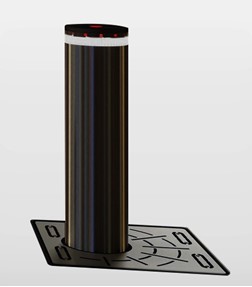
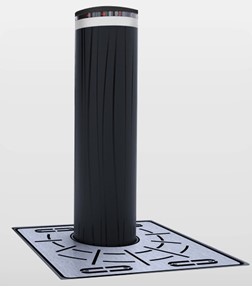
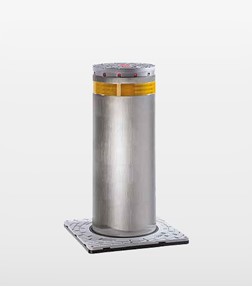
At the enhanced tier, the picture changes. In addition to procedures, enhanced-duty premises must also put in place, so far as is reasonably practicable, appropriate public protection measures. The statutory guidance sets these out in four categories: monitoring; control of movement; physical safety and security (including vehicle security barriers and hostile vehicle mitigation); and security of information.
Physical measures are therefore a genuine feature of the enhanced tier. But two things temper that: the “reasonably practicable” standard, which requires proportionality to the site’s context, cost and risk profile; and the government’s own explicit warning that no product confers compliance. Compliance rests with the responsible person. Products can support it. They cannot deliver it.
What this means for specifiers, operators and security advisers
Understanding where your premises sits, and what the law actually requires at that tier, is the foundation of any sensible Martyn’s Law response. For enhanced-tier sites, the next step is a genuine risk assessment that identifies which measures are proportionate, practicable and appropriate to the specific vulnerability, footfall and threat profile of the site.
That assessment will look different for a large regional shopping centre than for a conference venue. It will look different for a stadium than for a hospital. The categories of physical measure are the same; the right answer for each is not.
FAAC’s detailed guide, Martyn’s Law and Physical Security: What the Enhanced Tier Actually Requires, works through each of the four enhanced-tier measure categories in depth, explains the HVM rating frameworks, and maps the relevant considerations sector by sector: stadia, retail, transport, healthcare, events, hospitality and more.
If you are responsible for an enhanced-tier premises, advising on one, or specifying physical security measures as part of a Martyn’s Law preparedness programme, the guide is a practical reference for understanding what the legislation asks for and how physical infrastructure fits into the answer.
For background on Martyn’s Law and its scope, FAAC’s introductory overview is Martyn's Law Made Simple. For site-specific guidance on access automation, barriers and bollard specification, the FAAC UK team is available via the contact page.